

Fillings Gallery
$$MultiPurposeText$$
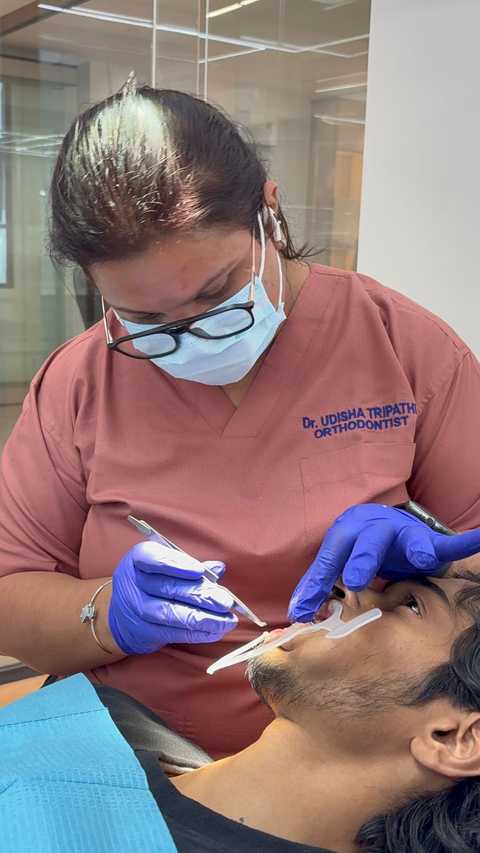
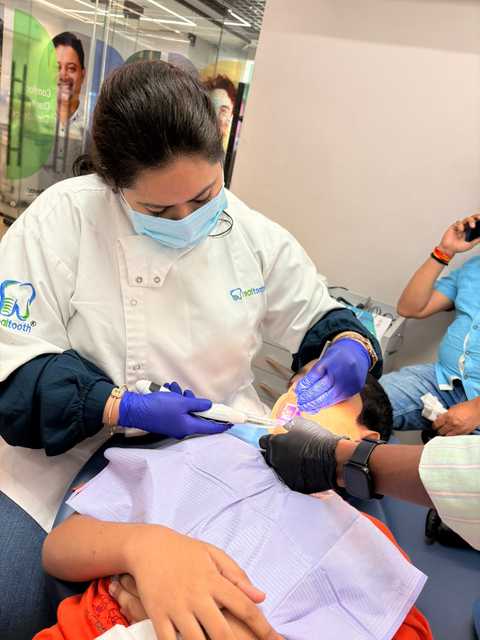
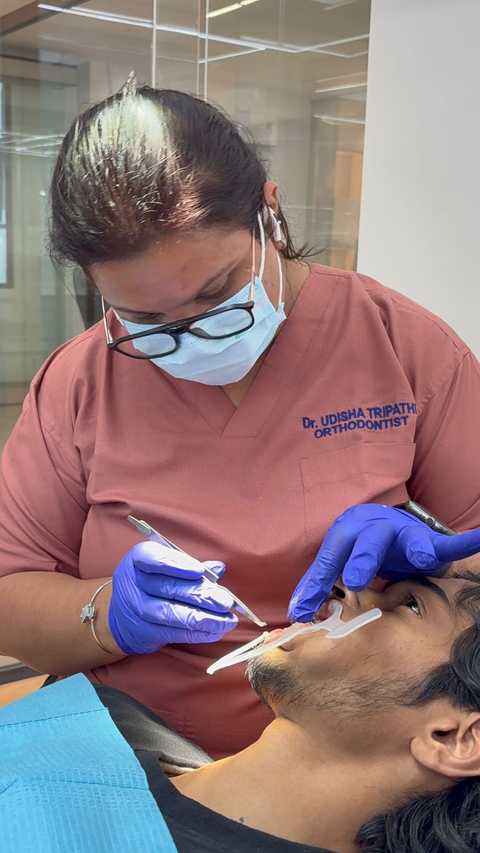
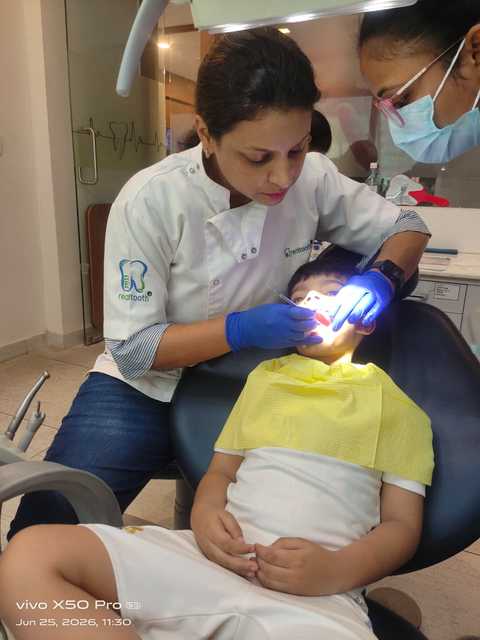
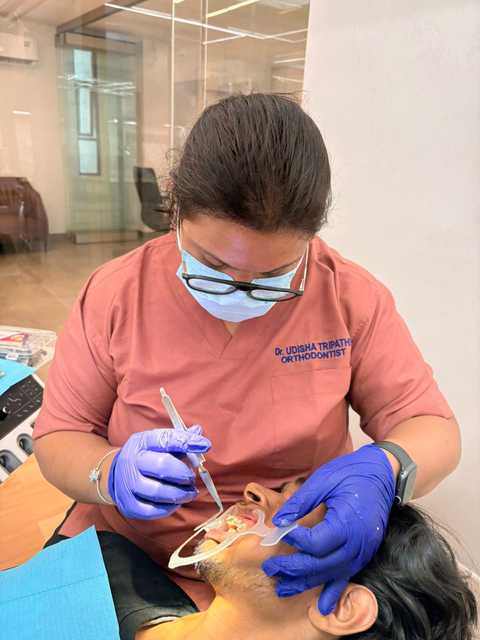
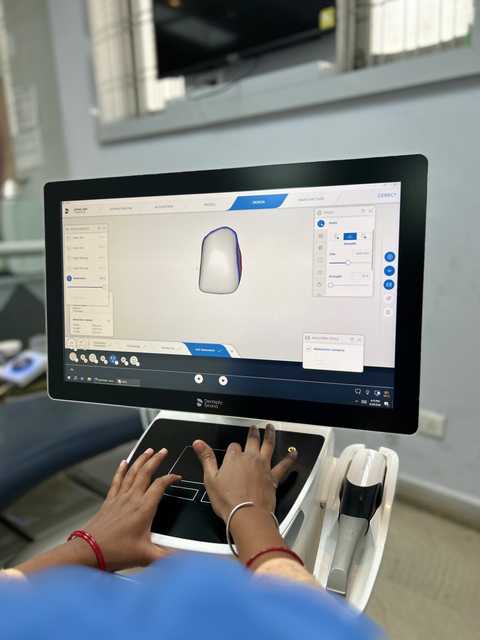
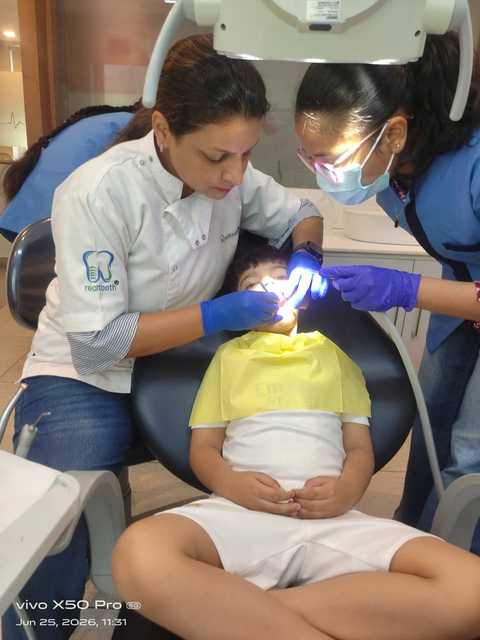
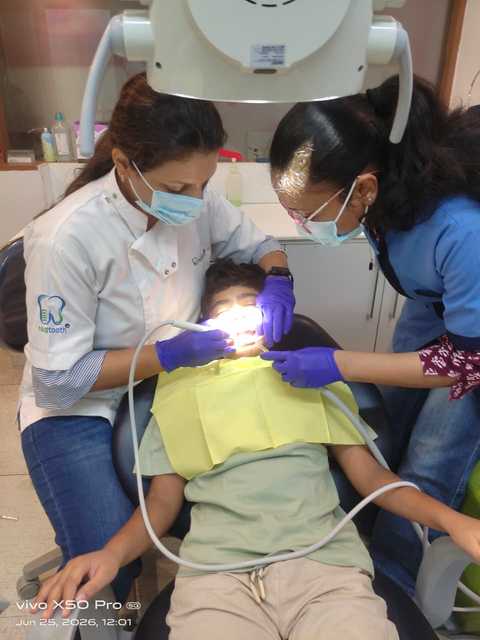
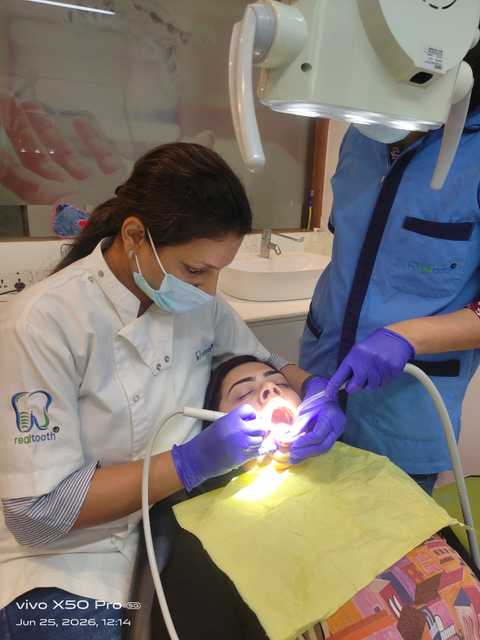
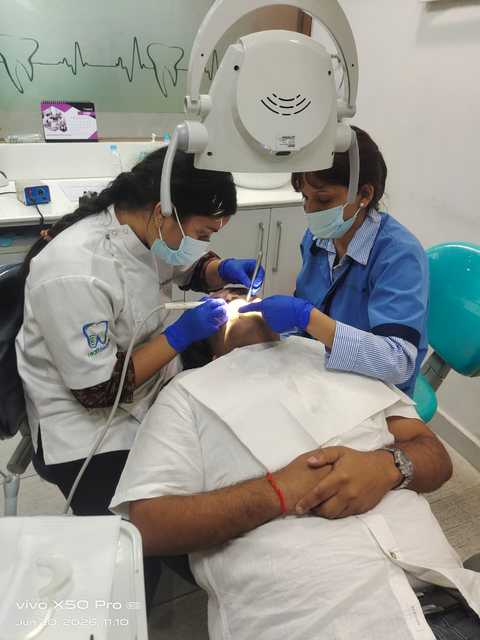
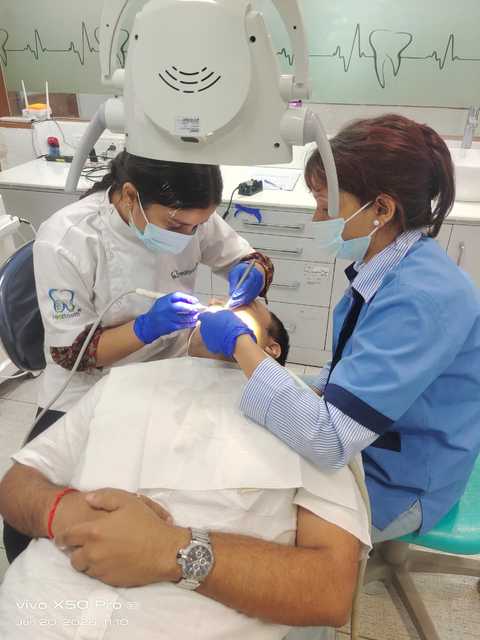
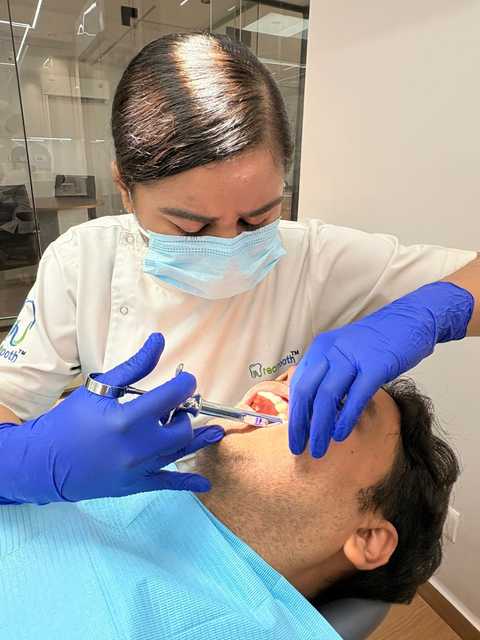
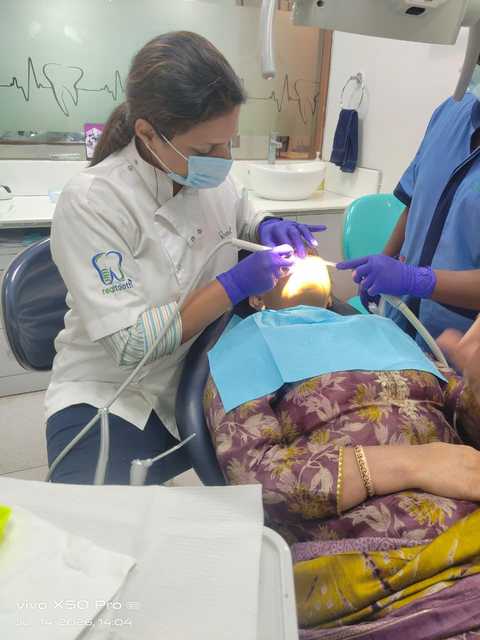
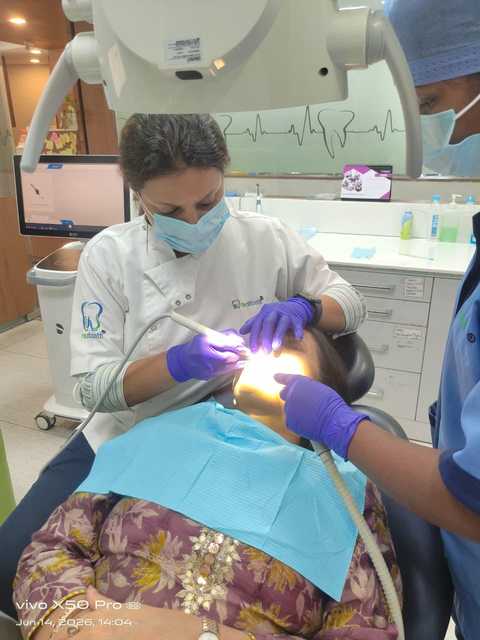
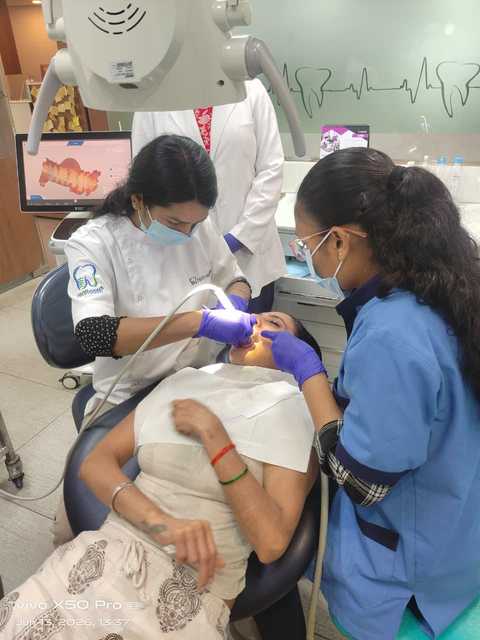
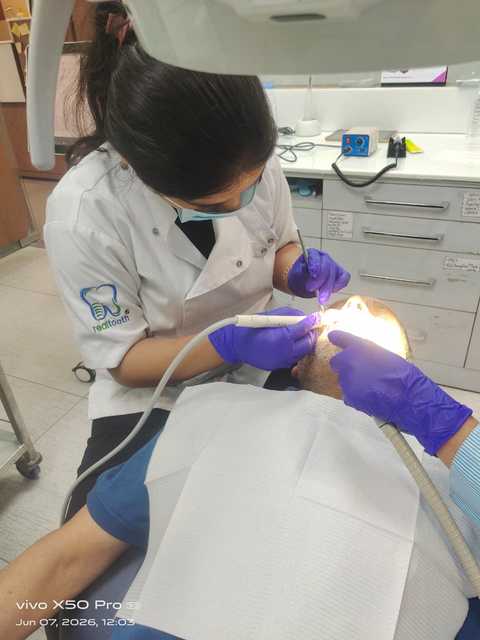
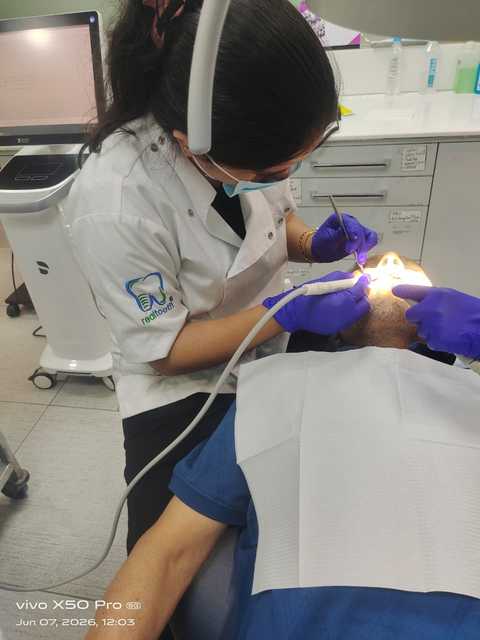
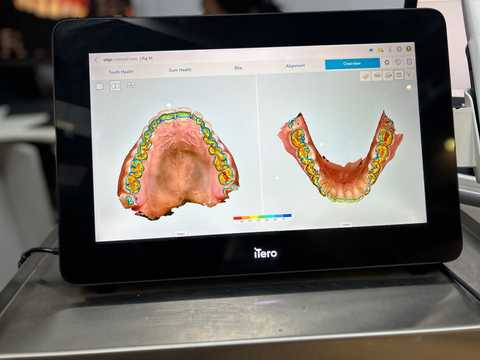
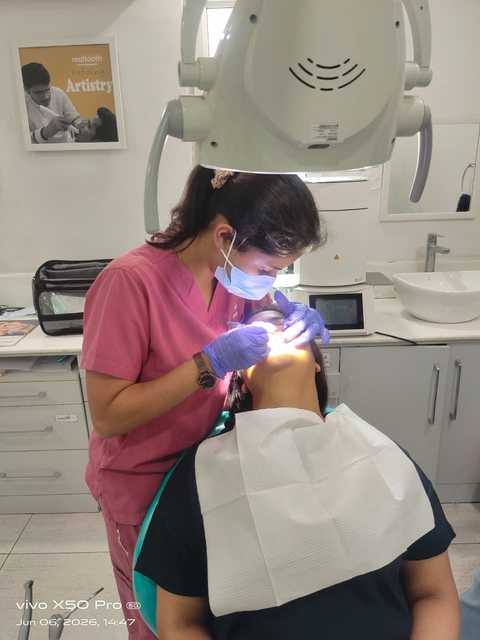
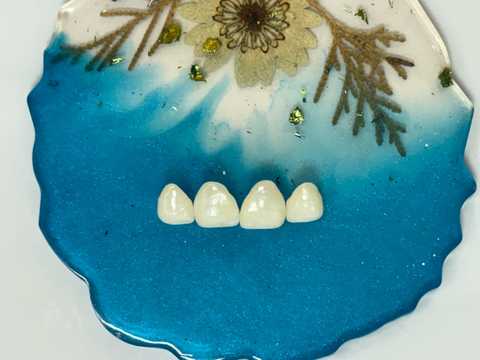
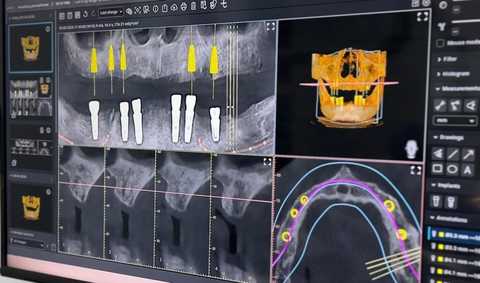
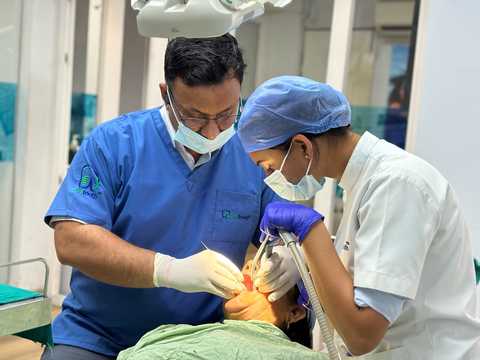
See examples of our Fillings work and results.



What Our Clients Say
$$MultiPurposeText$$
Read testimonials from our satisfied customers

Best dental clinic

Working in a corporate environment, I wanted to straighten my teeth without wearing visibl...more

Eating anything hot or cold had become difficult because of severe tooth sensitivity. Duri...more

Best dental clinic in lucknow

For almost a week, I kept managing my tooth pain with painkillers, hoping it would settle ...more

Uneven teeth had always affected my confidence, especially during meetings and photographs...more

Frequently Asked Questions
Get answers to common questions about Fillings.
Fillings can last anywhere from five to fifteen years or longer depending on material, oral hygiene, and bite forces. Composite resins often last five to ten years, while amalgam or well-made indirect restorations may last significantly longer with proper care and checkups.
Most patients receive local anesthesia so they feel little to no pain during placement. Some pressure or brief sensitivity can occur, and mild discomfort may persist for a few days; your dentist will numb and adjust to keep you comfortable.
Materials include tooth-colored composite, durable amalgam, glass ionomer, gold, and porcelain. The best choice depends on cavity location, aesthetic preference, strength needed, and budget; your dentist will recommend the ideal material for long-term function and appearance.
Yes. If a filling fails, tooth structure is lost, or recurrent decay occurs, your dentist may recommend replacing it with a stronger indirect restoration such as an inlay, onlay, or crown to protect the tooth long-term.
Direct fillings are placed and cured inside the tooth in one visit, ideal for small-to-moderate cavities. Indirect restorations are fabricated in a lab from impressions and cemented later, offering superior strength and longevity for larger defects.
Brush twice daily, floss daily, avoid frequent sugary snacks, and attend regular dental exams to monitor fillings. Avoid chewing very hard items and notify your dentist about sensitivity or cracks so repairs or replacements can be made promptly.