

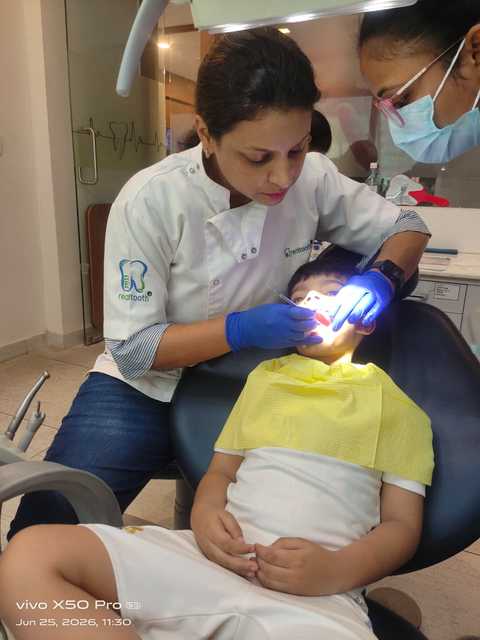
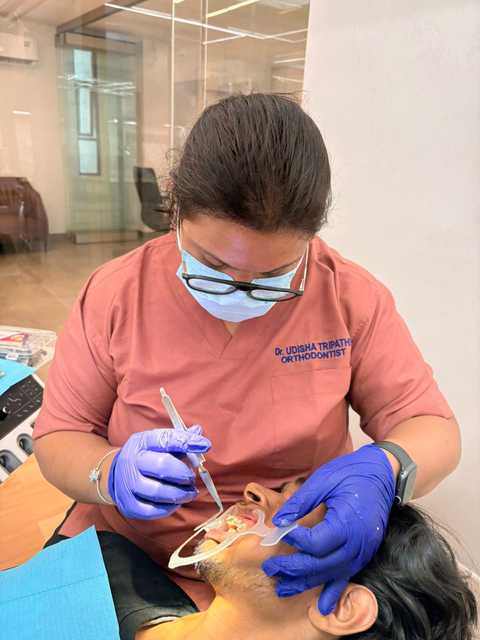
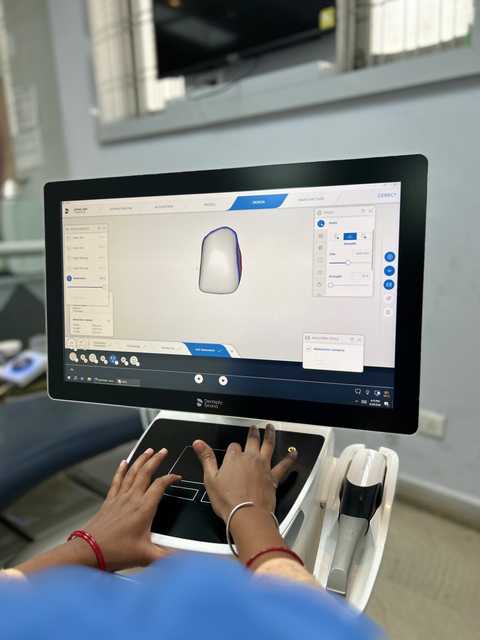
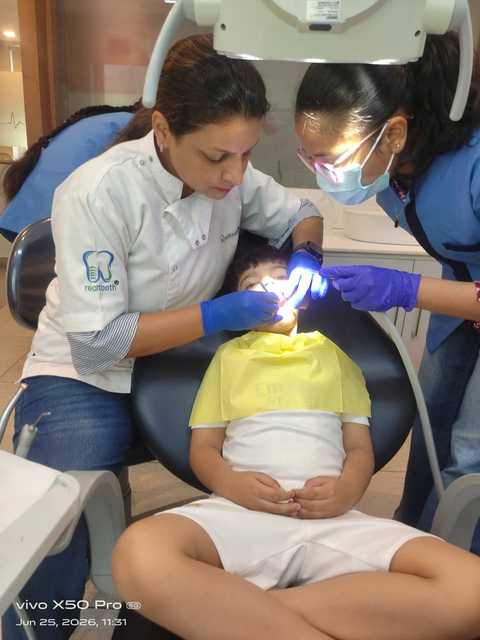
Oral Cancer Screeening Gallery
$$MultiPurposeText$$
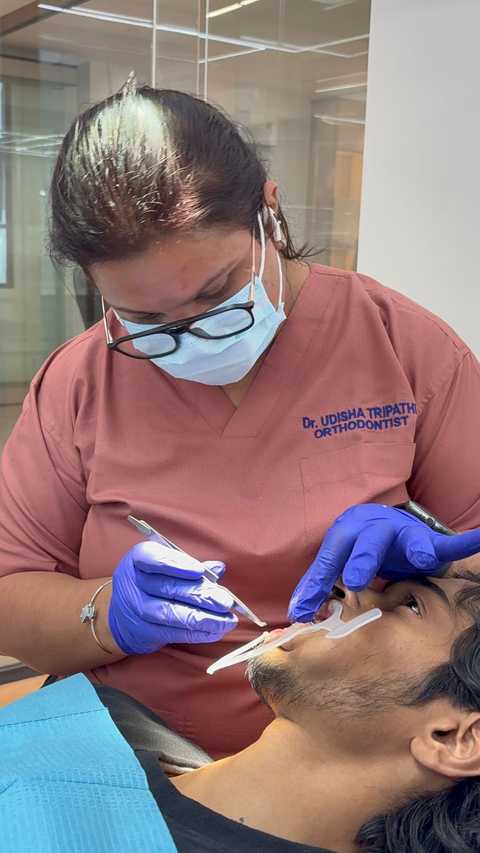
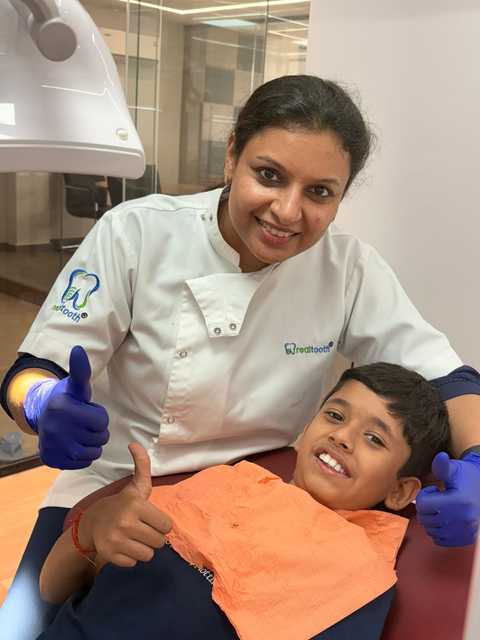
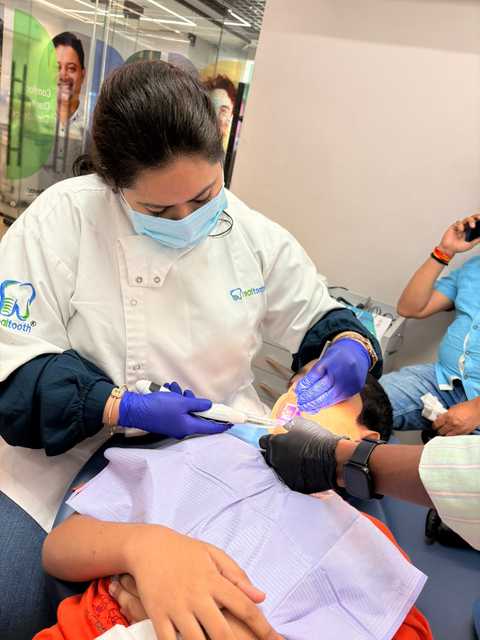
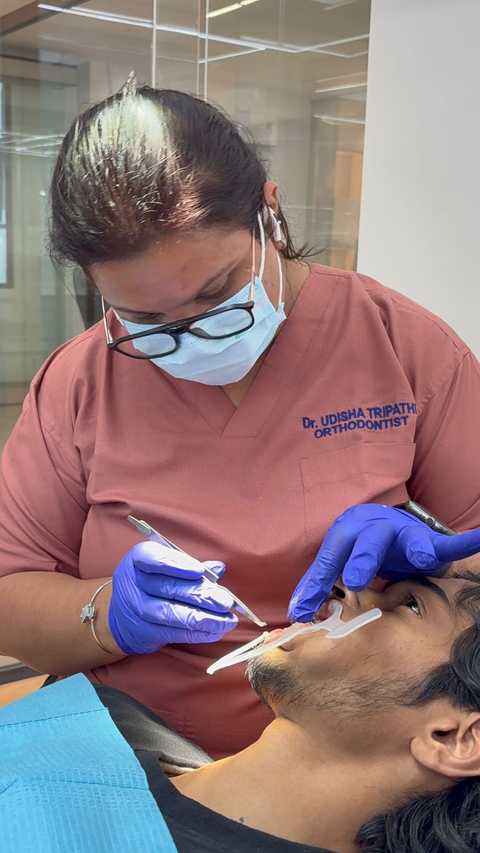
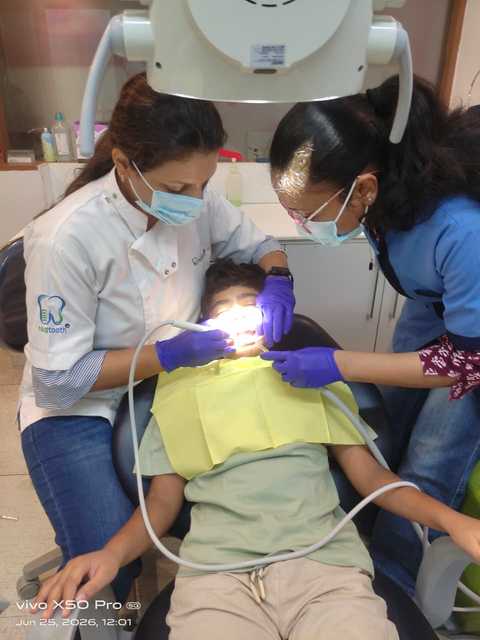
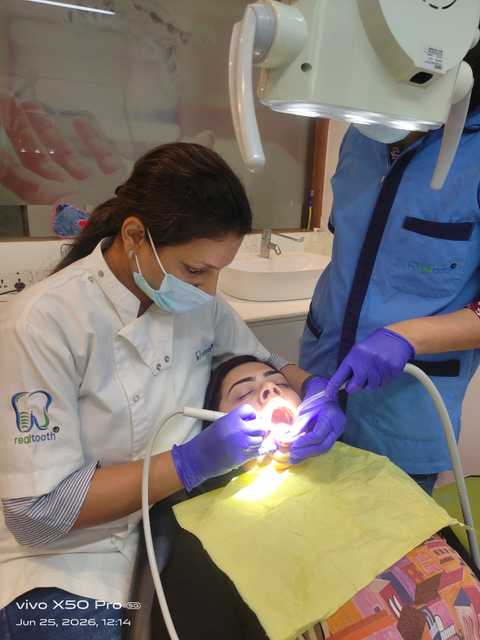
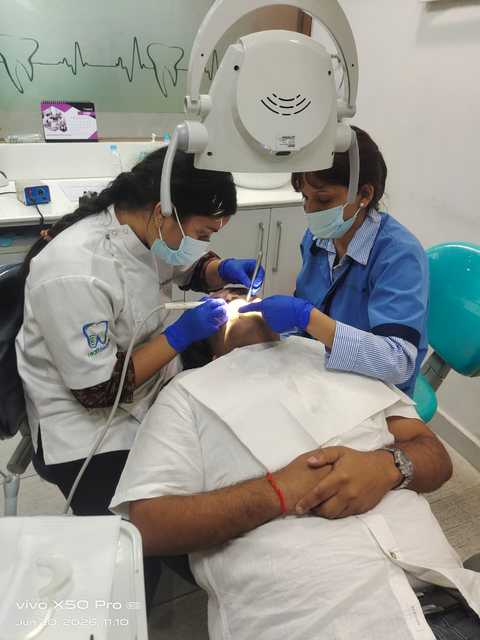
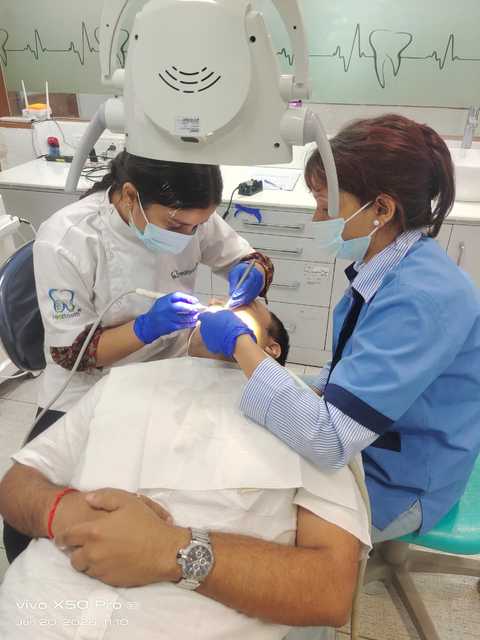
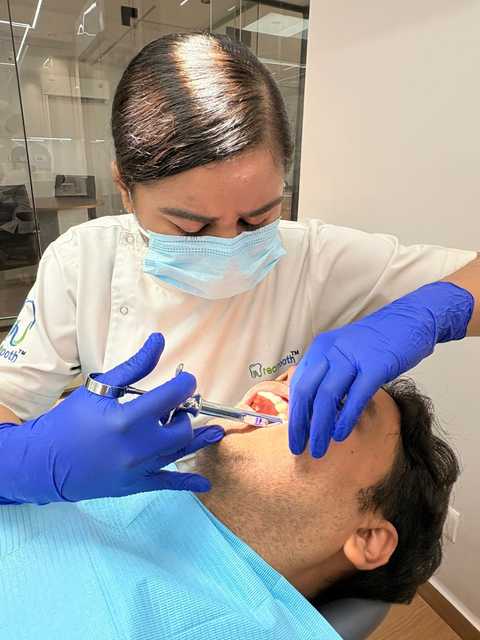
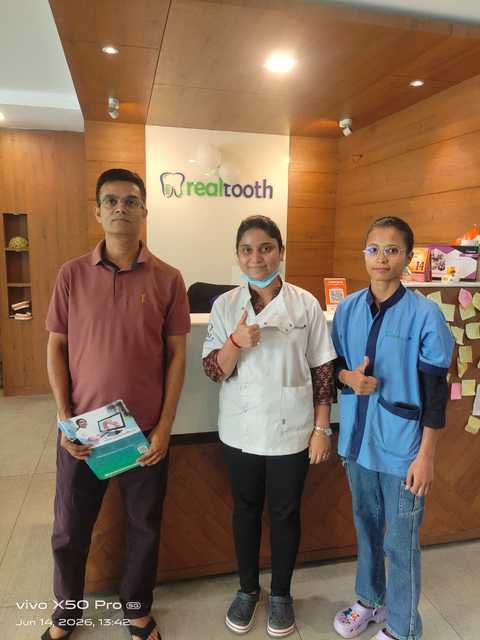
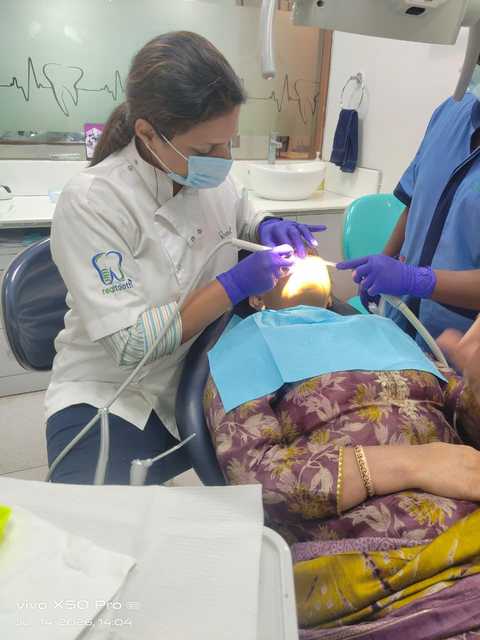
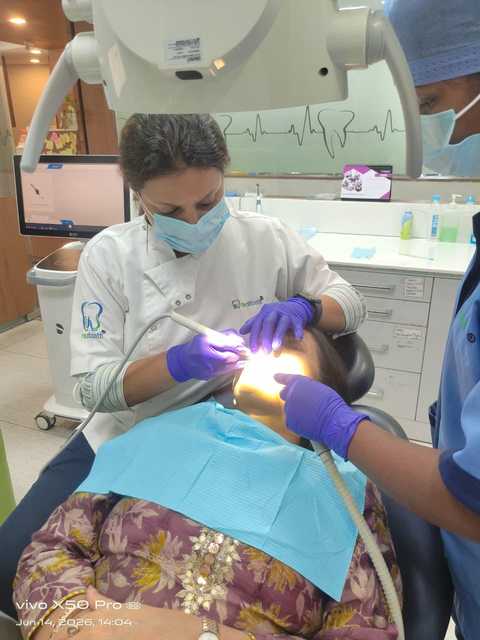
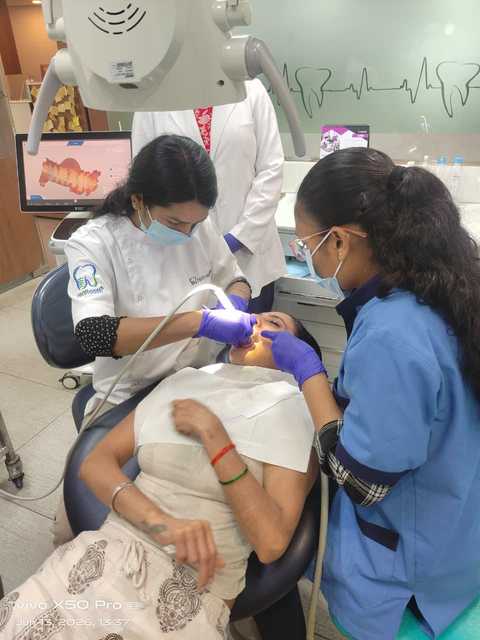
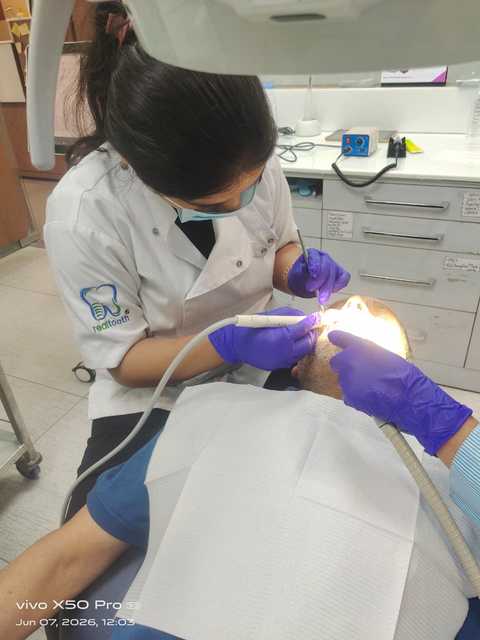
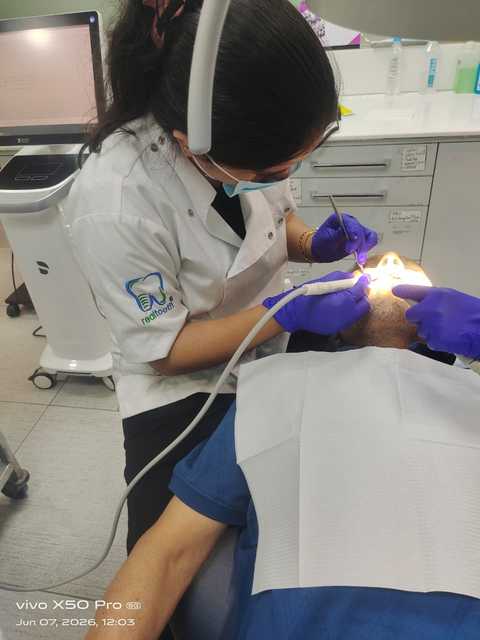
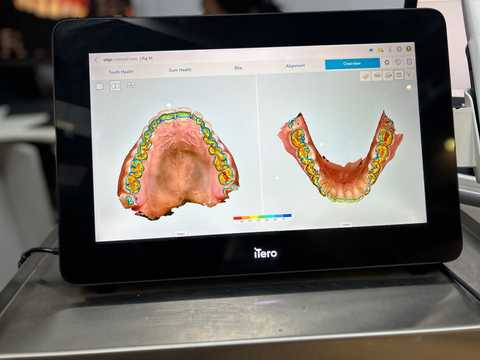
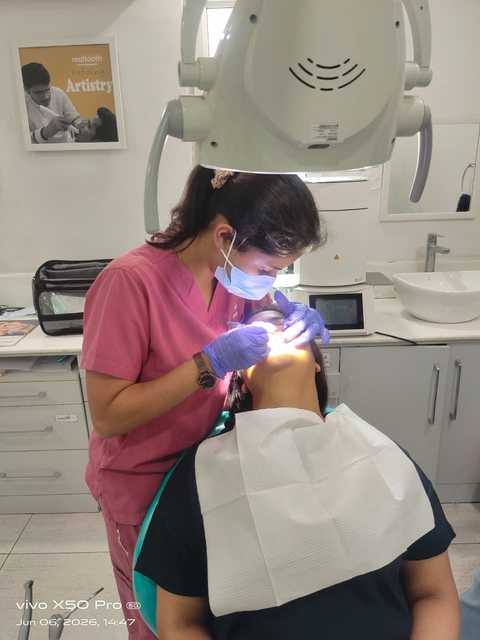
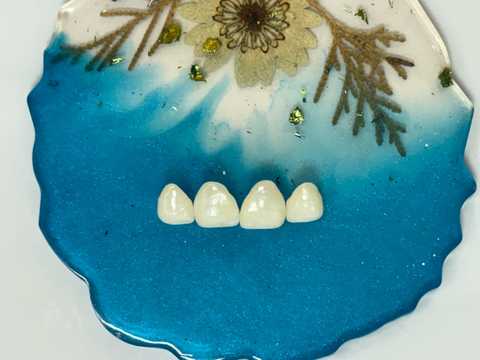
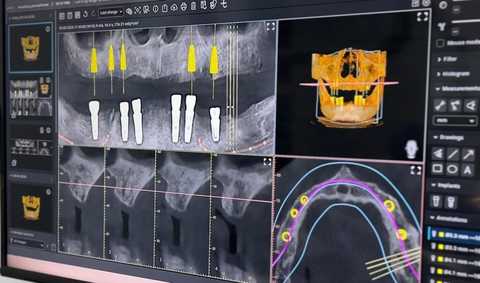
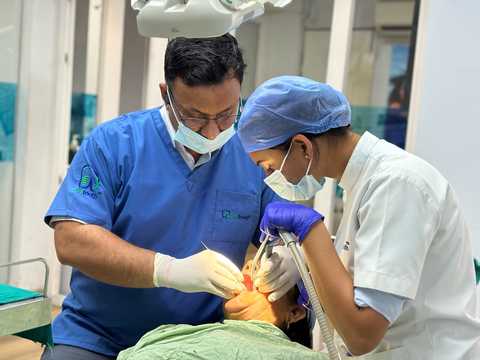
See examples of our Oral Cancer Screeening work and results.

What Our Clients Say
$$MultiPurposeText$$
Read testimonials from our satisfied customers

Working in a corporate environment, I wanted to straighten my teeth without wearing visibl...more

Eating anything hot or cold had become difficult because of severe tooth sensitivity. Duri...more

For almost a week, I kept managing my tooth pain with painkillers, hoping it would settle ...more

Uneven teeth had always affected my confidence, especially during meetings and photographs...more

For years, I had been hiding my smile because of crowded and protruding teeth. After consu...more

teeth had been crowded since childhood, but I kept postponing treatment because I didn't w...more

Frequently Asked Questions
Get answers to common questions about Oral Cancer Screeening.
Adults should have an oral cancer screening at least once a year during routine dental visits; higher-risk patients—tobacco users, heavy alcohol consumers, or those with suspicious lesions—may need exams more frequently and personalized follow-up.
The exam includes visual and tactile inspection of lips, tongue, cheeks, floor and roof of mouth, and neck palpation. Adjunctive tools or photos may be used; if needed, we recommend biopsy or specialist referral for definitive diagnosis.
Screening is recommended for all adults, especially those with tobacco or alcohol use, HPV exposure, chronic oral sores, or family cancer history. Early screening is vital when any persistent mouth change, pain, or bleeding occurs.
The screening itself is painless—an oral exam and gentle palpation. If a suspicious area appears, adjunctive light-based tests or a biopsy may be recommended; biopsies involve minor discomfort but provide essential diagnosis.
Yes. Thorough clinical exams and adjunctive screening tools can reveal precancerous changes such as leukoplakia or erythroplakia. Early detection allows monitoring, biopsy, and treatment to prevent progression to invasive cancer.
Coverage varies by insurer and plan. Many dental or medical insurance plans cover oral cancer screening during routine exams; we recommend checking your policy or contacting our reception for assistance with benefits and billing queries.